Video documents rescue of injured US airman from Iran
Newly released aerial footage documents the US operation to rescue an injured Air Force officer who spent about 50 hours in Iran after his F-15E was shot down.
Newly released aerial footage documents the US operation to rescue an injured Air Force officer who spent about 50 hours in Iran after his F-15E was shot down.
The video is marked unclassified and dated April 5, 2026. Its thermal imagery shows mountainous terrain searched by US forces and accompanies a CBS News account of the recovery.
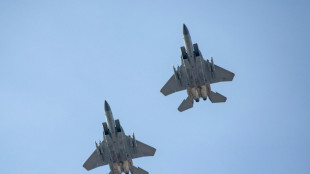
The officer, identified by the mission call sign Dude 44 Bravo, was the weapons-systems officer in a two-seat F-15E Strike Eagle. The pilot, Dude 44 Alpha, was rescued several hours after the aircraft was brought down, while Bravo remained on the ground.
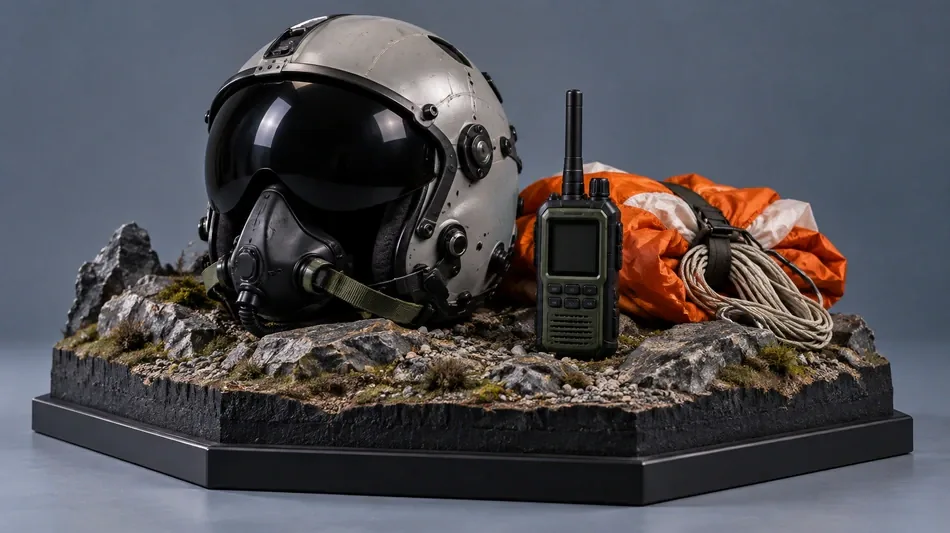
CBS reported that Bravo’s damaged parachute left him descending at an estimated 70 to 100 miles per hour. He suffered a broken back, arm and shoulder but moved away from the crash site and reached a ridgeline at roughly 7,000 feet.
He remained in the mountains for about two days while Iranian personnel searched for him. US officials told CBS that Iranian forces came within several hundred metres of his position.
The recovery involved more than 90 US service members on the ground, hundreds supporting the air operation and thousands in other supporting roles, CBS said. The CIA supplied intelligence and conducted a deception effort intended to mislead Iranian forces about the airman’s location.
According to the broadcaster, US bombers and drones struck nearby Iranian Revolutionary Guard personnel before the rescue team moved in. Bravo was recovered about 50 hours after the F-15E was shot down.
The extraction encountered further difficulties when rescue aircraft became stranded on a makeshift desert airstrip. US forces destroyed aircraft left behind to prevent sensitive equipment being captured, then flew Bravo out of Iran.
He later discussed the ordeal publicly, crediting military training, teamwork, rescuers and his faith for his survival. Earlier coverage by Air & Space Forces Magazine described a two-day combat search-and-rescue operation involving hundreds of personnel, dozens of aircraft and several dangerous encounters.
The footage provides aerial imagery of the search area rather than a complete account of every stage of the rescue.
Ch.Schroeder--RTC