Rights group says Iran protest toll nears 6,000 dead / Photo: ATTA KENARE - AFP
A US-based rights group said on Monday it had confirmed the deaths of nearly 6,000 people during a wave of protests in Iran suppressed by security forces, as Tehran warned Washington against intervening.
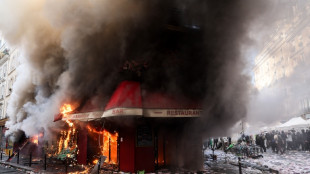
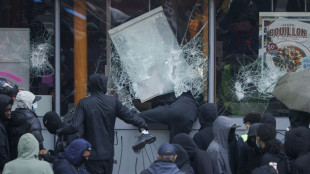
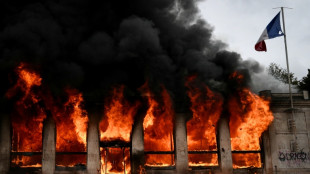
The protests started in late December, driven by economic grievances, but turned into a mass movement against the Islamic republic, with huge street demonstrations for several days from January 8.
But rights groups have accused authorities of launching an unprecedented crackdown by shooting directly at the protesters under the cover of an internet shutdown that has now lasted an unprecedented 18 days.
The clerical leadership who took power after the 1979 Islamic revolution remains in place despite the protests, with many opponents of the system looking to outside intervention as the most likely driver of change.
US President Donald Trump had appeared to step back from military intervention, but has since insisted it remains an option.
He said last week that Washington was sending a "massive fleet" to the region "just in case". Iran's foreign ministry warned on Monday of a "comprehensive and regret-inducing response to any aggression".
NGOs tracking the toll from the crackdown have said their task has been impeded by the internet shutdown, warning that confirmed figures are likely to be far lower than the actual toll.
The US-based Human Rights Activists News Agency (HRANA) said it had confirmed that 5,848 people had been killed, including 209 members of the security forces. But the group added it was still investigating another 17,091 possible fatalities.
At least 41,283 people have been arrested, it said. Giving their first official toll from the protests, Iranian authorities last week said 3,117 people were killed, the majority of whom it described as members of the security forces or innocent bystanders killed by "rioters".
- 'Reap the whirlwind' -
Confirming that the internet blackout remains in place, monitor Netblocks said the shutdown was "obscuring the extent of a deadly crackdown on civilians".
"Gaps in the filternet are being tightened to limit circumvention while whitelisted regime accounts promote the Islamic Republic's narrative," it added.
Over the weekend, Persian-language TV channel Iran International, which is based outside Iran, said more than 36,500 Iranians were killed by security forces from January 8 to 9, citing reports, documents and sources. It was not immediately possible to verify the report.
Meanwhile, the US was massing forces in the region with Trump keeping open the possibility of military intervention, having threatened Tehran at the height of the protests.
Trump said last week:"I'd rather not see anything happen but we're watching them very closely."
US media reported that Washington has sent the aircraft carrier USS Abraham Lincoln to the region.
The US briefly joined Israel's war against Iran in June, striking its nuclear facilities. Israel also targeted Tehran's ballistic missile programme and killed several senior Iranian security officials during 12 days of air strikes.
In Iran, foreign ministry spokesman Esmaeil Baghaei warned against intervention and said Iran was "confident in its own capabilities".
In apparent reference to the Lincoln, he added: "The arrival of such a battleship is not going to affect Iran's determination and seriousness to defend the Iranian nation."
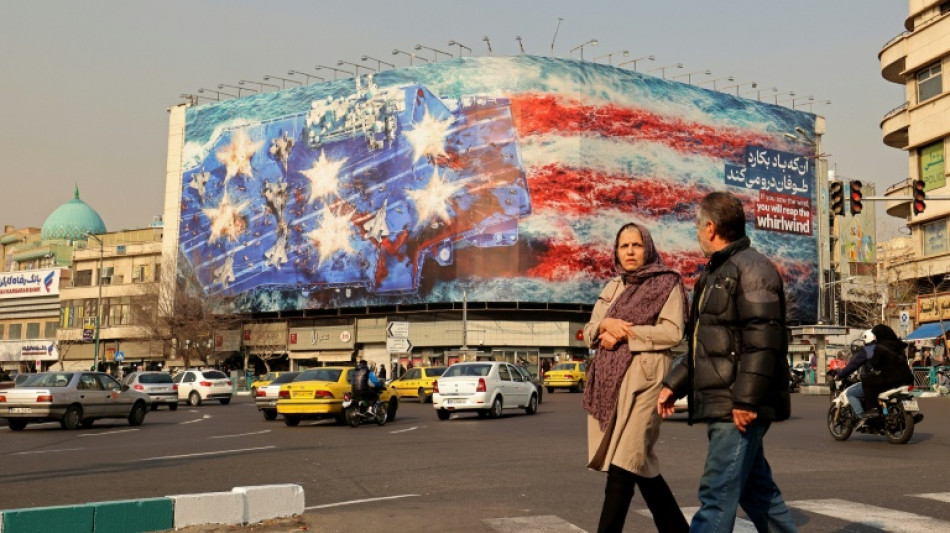
Meanwhile, a new anti-US billboard has appeared in the central Enghelab Square in Tehran, appearing to show an American aircraft carrier being destroyed.
"If you sow the wind, you will reap the whirlwind," the English-language slogan read.
Supreme leader Ayatollah Ali Khamenei last appeared in public on January 17, warning in a speech broadcast on state television that authorities would "break the back of the seditionists".
In Lebanon, Iran-backed Shiite militant group Hezbollah, whose capabilities and leadership were severely degraded in a war with Israel in 2024, was organising a rally in several areas on Monday in support of Iran "in the face of American-Zionist sabotage and threats", with leader Naim Qassem set to speak.
Ch.Jacobs--RTC