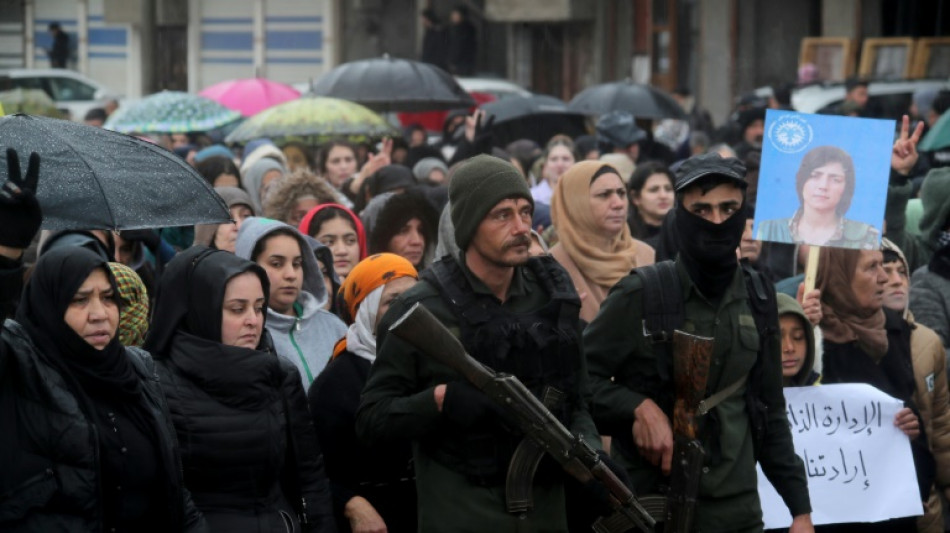
Syria's Kurds feel disappointed, abandoned by US after Damascus deal / Photo: Delil SOULEIMAN - AFP
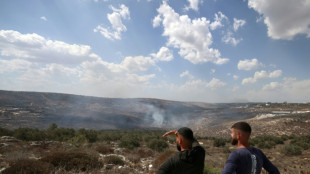
Residents of the Kurdish Syrian city of Qamishli voiced disillusionment on Monday after a deal with Damascus struck a fatal blow to their long-held aspirations of autonomy, with some accusing the United States of abandoning them.
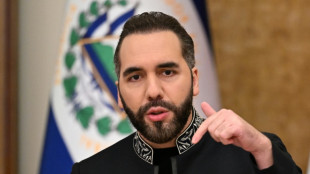
Under pressure from a government advance through Kurdish-controlled areas, Syrian Democratic Forces (SDF) leader Mazloum Abdi said Sunday that he had agreed to a ceasefire deal formalising plans for Kurdish integration into the state in order to avoid "civil war".
The deal stipulates that the Kurds' de facto autonomous administration immediately hand over two predominantly Arab provinces it controlled, and outlines the integration of the body's civil institutions in its stronghold of Hasakeh.
On Sunday, US envoy Tom Barrack embraced the new deal as an "inflection point, where former adversaries embrace partnership", but some in Qamishli saw it as a betrayal after the Kurds' contributions in the war against the Islamic State (IS) group.
"I never felt like the Americans' support was genuine," said 40-year-old Kurdish activist Hevi Ahmed, who likened Washington's "dealings with people to mere real estate brokerage".
"The agreement is a disappointment after years of hope that the Syrian constitution might contain a better future for the Kurds," she added.
Spread across Turkey, Syria, Iraq and Iran, the Kurds say that their attempts to establish an independent state have been systematically repressed by regional and international powers throughout their history.
Washington has long allied itself with the SDF, which helped lead the fight against IS.
But since the fall of Assad in 2024, the US position has been more complex, with President Donald Trump broadly supporting the new government's efforts to unify the country while sending signals he is ready to move on from the SDF partnership.
- Sharaa's 'vision' -
Aras Mohammed, a 34-year-old employee in the Kurdish administration, also expressed a "great sense of disappointment".
With the new deal, he said, Syrian President Ahmed al-Sharaa "imposes his vision of the state and constitution, based on the legitimacy he obtained by overthrowing al-Assad".
That vision involves a centralised government, which Sharaa argues is necessary for stability after years of war, but which flies in the face of calls from minority groups in Syria for a more federalised system that safeguards their goal of self-determination.
Mohammed said he also had major concerns after past "agreements have been violated, bypassed or diluted".
Ever since clashes erupted between Kurdish-led forces and Syrian government troops in Aleppo city earlier this month, Kurds living in autonomous areas have been growing increasingly anxious about the future of their long-marginalised community.
As the clashes extended to areas of Kurdish control in Raqa and Deir Ezzor provinces, thousands of people came to seek refuge in Kurdish-majority Qamishli, many in overcrowded shelters, according to AFP correspondents.
The Kurdish administration had already agreed in principle to be integrated into the government, though its leaders continued to call for decentralised rule -- a non-starter for the new authorities.
A decree announced by Sharaa on Friday made Kurdish a national language, designated the Kurdish new year of Nowruz an official holiday and granted citizenship to Kurds previously deprived of it, though it did little to reassure the community.
- Like 'Sweida and the coast' -
Ahmed said she "fears reprisals from government-affiliated factions... similar to what happened in Sweida and the coast", where outbreaks of sectarian violence against the Alawite and Druze communities killed hundreds of people last year.
She also expressed concern about the potential desecration of "images and graves of martyrs" killed in battles against IS.
After the SDF withdrew from parts of Raqa on Sunday, an AFP correspondent saw people destroy a statue honouring a woman who fought with Kurdish forces and was killed by IS during the battle for Raqa city.
Despite their partnership in the fight against jihadists, the US sparked an outcry when it pulled its troops out of northeastern Syria in 2019, leaving Kurdish-run territory open to a Turkish offensive that killed hundreds and displaced tens of thousands.
"This is not the first time America abandons its allies, allies who fought hard and gave thousands of martyrs against barbarians and terrorists," said jewellery shop owner Rafeh Ismail, 43.
Pharmacist Mohammed Issa, 25, asked that "the international coalition and the US do not abandon the Kurds".
"Unfortunately, international decisions are determining our fate today," he said.
M.Allan--RTC