Liverpool deal with Bezos consortium raises stakes in US battle for Premier League power / Photo: JULIEN DE ROSA - AFP
Liverpool's decision to sell a minority stake to a consortium of financial heavy hitters including Amazon founder Jeff Bezos is the latest move in the battle for supremacy between the American owners in the Premier League.
Just four months after Arsenal won the Premier League under the ownership of US billionaire Stan Kroenke, Liverpool's hierarchy have opted for outside investment in a bid to regain the crown.
Armed with the cash generated by selling around a third of the club to Bezos and company, Liverpool will seek to dethrone Arsenal and claim a record 21st English title.
Joining the fight for Premier League bragging rights are Manchester United, majority-owned by US family the Glazers and Chelsea, whose ownership group is headed by American Todd Boehly.
Aston Villa, last season's Europa League winners, are among six other Premier League clubs in which Americans hold ownership stakes.
The US-inspired Premier League arms race has led to a substantial spike in the valuations of England's top clubs, giving their owners a handsome return on their initial investment.
Boston-based Fenway Sports Group bought Liverpool for £300 million ($405 million) in 2010.
Liverpool, who last won the Premier League in 2025, are now reportedly valued at between £5 billion and £6 billion after Friday's deal with the star-studded consortium.
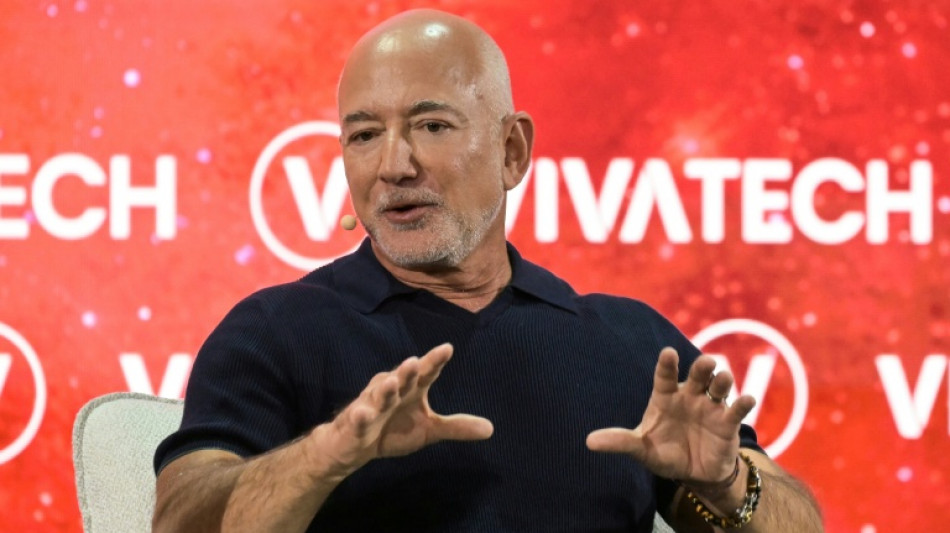
American tycoon Bezos is the fourth-richest person in the world, with an estimated net worth of $256 billion.
Facebook co-founder Eduardo Saverin, reportedly worth $32 billion, is also a member of the consortium, while the group's frontman --Amit Bhatia -- is the son-in-law of Indian billionaire Lakshmi Mittal.
It is Bezos's involvement that makes the deal so intriguing and will trigger speculation about the future plans of Liverpool's owners.
Bezos was reportedly interested in two NFL franchises -- the Seattle Seahawks, who were sold for £7.3 billion recently, and the Washington Commanders, sold for £4.6 billion in 2023.
Buying the stake in Liverpool gives the 62-year-old a potential route to eventually take over at Anfield despite reports he will be a 'silent partner'.
- 'Potential to grow' -
Will John W. Henry and his FSG cohorts stick to their plan to retain "majority ownership and operational control of Liverpool"?
Or could they be tempted by the huge profit to be made if they sell the rest of their stake to Bezos's group?
Although Liverpool are rebuilding under new manager Andoni Iraola after sacking Arne Slot following last season's disappointing fifth place finish in the Premier League, they remain one of the world's most iconic sports brands and their value is growing by the year.
The Reds became the top-earning Premier League club for the first time this year, according to sports finance experts Deloitte, announcing record revenues of £703 million for the 2024-25 financial year.
Against that healthy financial backdrop, Bezos and his fellow investors have been given a cautious reception on Merseyside, with fans concerned about their motivation for buying into the six-time European champions
Supporters group Spirit of Shankly have asked the club for clarity, warning that previous changes in the running of the club have led to "decisions and behaviours that many would not want to see at Liverpool".
But Dan Plumley, senior lecturer in sport finance at Loughborough University in the UK, believes FSG have no immediate plans to cede complete control.
"If Liverpool remain competitive in the Premier League and Europe, then their revenue and valuation have the potential to grow further -- hence probably why FSG don't want to sell up fully just yet," he told AFP.
However, Plumley acknowledged the true reasons for the investment will be a concern for Anfield devotees.
"The question the other way from fans is 'what do these investors want out of my club'? There is normally some sort of return on investment for them, particularly with the way US investors operate," he said.
"Of course, they could just be interested in owning a trophy asset, too. In contrast it may also be tough to them to break into the American sport market in terms of owning franchises.
"Therefore, investing in or owning an English football club provides a cheaper entry point with potential for a higher growth ceiling and more international reach."
T.Cortez--RTC