
West Palm Beach Plastic Surgeon Dr. Thomas Pane Discusses When Liposuction May Be Considered for Lipedema
Double board-certified plastic surgeon explains how a modified liposuction approach can address the disproportionate leg fat of lipedema, and why the procedure is about shape rather than weight.
PALM BEACH GARDENS, FL / ACCESS Newswire / November 12, 2026 / Dr. Thomas Pane, a double board-certified plastic surgeon practicing in Palm Beach Gardens, is sharing how he evaluates patients with lipedema and when liposuction for lipedema may be an appropriate option. The condition is often mistaken for ordinary weight gain, and many patients try to diet or exercise their way to a change that does not come.
Lipedema is a chronic condition in which fat collects disproportionately in the legs, hips, and sometimes the arms, usually on both sides of the body. The affected fat can feel heavy, tender, or lumpy, may bruise easily, and tends to stay put even when a person loses weight elsewhere. The feet and hands are often spared, which can leave a visible cuff at the ankle or wrist.
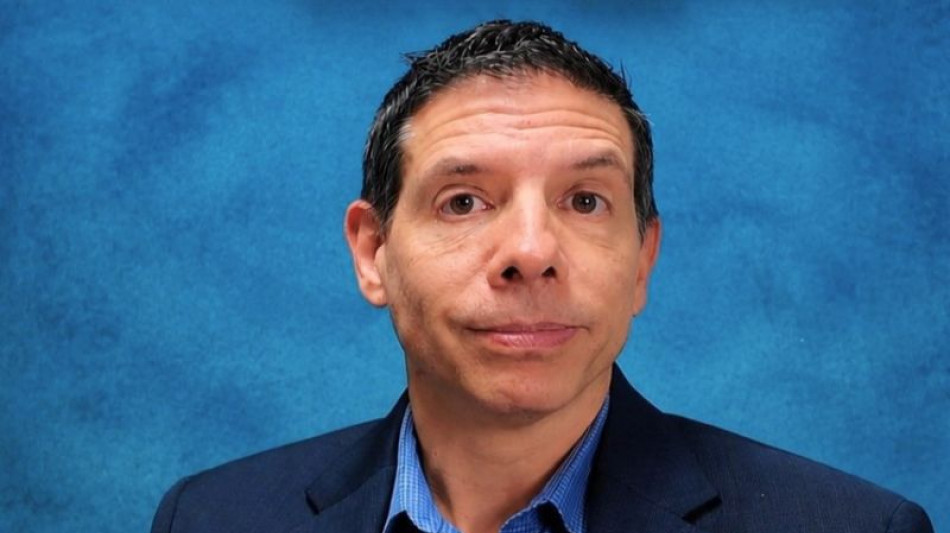
"What happens is people develop these column-shaped legs," Dr. Pane said in a video on the condition. "Instead of the ankle tapering as it normally does, it'll look more like a column."
What Makes Lipedema Different From Weight Gain
Dr. Pane draws a clear line between lipedema and two conditions it is often confused with. The first is general weight gain, in which fat is stored across several areas of the body and typically responds to diet and activity. Lipedema fat concentrates in specific areas and may not respond the same way. A patient can lose weight in the face, chest, or waist while the legs stay disproportionately large.
The second is lymphedema, a swelling of the limbs caused by problems with lymphatic drainage. Lipedema is a separate disorder, although it can interfere with lymphatic flow and lead to lymphedema as a secondary problem. Because no single test confirms lipedema in every patient, Dr. Pane relies on an in-person evaluation and a more detailed history than he would take for routine body contouring.
"We want to make sure that that's really the condition that's going on," he said. "So we usually will do a little bit more detailed background history to make sure we have what we think we have."
When Liposuction May Be Considered
Diet and exercise alone are generally not effective for lipedema fat, and non-surgical options are limited. For appropriately selected patients, liposuction performed in a modified fashion can reduce bulk in the affected limbs and improve limb shape, comfort, and function. Dr. Pane uses techniques designed to protect lymphatic structures and minimize trauma to surrounding tissue, which may help reduce inflammation, bruising, and downtime.
He is direct about what the procedure can and cannot do. Liposuction is not a cure for lipedema, and he frames it as a shaping procedure rather than a weight loss procedure. "The number one thing that patients get wrong about liposuction is that it is a weight loss procedure," he said. "It is not a weight loss procedure. It is a shaping procedure. You can lose some weight. Sometimes I do liposuction on people that have very large legs and they do notice a difference in the weight. But it is mainly for shaping."
That distinction also addresses a common misconception about who qualifies. Patients do not need to be overweight to be candidates. In lipedema, Dr. Pane said, the work "would be concentrated into their legs for shaping. Sometimes on the front, sometimes the back and sometimes all around depending on what they are starting with."
How the Procedure Differs From Standard Liposuction
Standard cosmetic liposuction targets problem areas such as the flanks, abdomen, or under the chin in a patient near a stable weight. Lipedema liposuction often involves the thighs, knees, and lower legs, areas most cosmetic patients would not ask to have treated. "Very few people are going to want a liposuction below the knee," Dr. Pane said. "But if you do it properly and in a way that is safe, then you can contour the leg and improve the condition for most people."
He performs the procedure through small incisions in an outpatient surgical setting. The surgery itself, and the recovery that follows, are similar to conventional liposuction, with a few differences, such as using additional wetting solution and less traumatic cannulas to avoid any excess bleeding or disruption of lymphatics. In some cases, tourniquets can be used to further limit blood loss, although typically the blood loss is very low, around 1% of the liquid removed, the rest consisting of fat cells and wetting solution. Patients wear a compression garment after surgery to support the new contour while swelling resolves. Treatment is planned around the patient's symptoms, the stage of lipedema, and personal goals.
Because the removed fat cells do not return, results can be long-lasting when weight stays stable. Dr. Pane still recommends attention to diet and activity after treatment, both for general health and to help limit changes in untreated areas.
Training and Credentials
Dr. Pane earned his medical degree from the University of Connecticut School of Medicine. He completed a five-year general surgery residency at Baystate Medical Center, a Tufts University School of Medicine affiliate, followed by two years of plastic surgery training at Wayne State University and the Detroit Medical Center, serving as chief resident in his final year. He is certified by the American Board of Plastic Surgery and originally by the American Board of Surgery. He also holds certification in surgery and plastic surgery from the National Board of Physicians and Surgeons. He began practicing in Newport, Rhode Island, and has been in private practice in Palm Beach County since 2006.
Dr. Pane shares educational videos on liposuction, candidacy, and common misconceptions on Instagram.
About Thomas Pane, MD, Plastic Surgery
Thomas Pane, MD, Plastic Surgery is located at 4360 Northlake Boulevard, Suite 106, in Palm Beach Gardens, Florida. The practice provides aesthetic surgery of the face, breast, and body, with treatment planned around each patient's anatomy, goals, and medical history. Patients who suspect they may have lipedema can contact the practice or call 561-422-4116 to schedule a consultation.
Contact Information
Dr. Thomas Pane
4360 Northlake Boulevard, Suite 106
Palm Beach Gardens, FL 33410
Phone: 561-422-4116
acplasticsurg.com
SOURCE: Thomas Pane, MD
View the original press release on ACCESS Newswire
T.Cortez--RTC